How to Grow a Goose-Friendly Garden at HomeHow to Grow a Goose-Friendly Garden at Home
Creating a goose-friendly garden at home means balancing the needs of these curious birds with maintaining a healthy, attractive outdoor space. While geese can contribute to natural fertilization and pest control, their presence also requires thoughtful planning to prevent damage to plants and walkways. Strategic landscaping, such as grassy areas for grazing and shallow water features, can help make your garden both inviting and manageable. At the same time, learning about keeping geese out without harming your garden is valuable for times when control becomes necessary. With the right design, your garden can support harmony between nature and your home environment.
Choose Safe, Edible Plants for Grazing
 Geese are natural grazers, so one of the best things you can do is grow plants they enjoy eating. They love grass, clover, dandelions, chickweed, and other low-growing greens. Opt for planting hardy, fast-growing ground covers like white clover, orchard grass, or ryegrass in sections of your yard where they’re free to roam. These plants regenerate quickly and provide the roughage geese need for a healthy diet. Avoid toxic plants like azaleas, daffodils, foxglove, and nightshade, which can be harmful if ingested.
Designate Separate Grazing and Garden Zones
Without clear boundaries, geese can easily damage your vegetables and flowers. To prevent this, divide your garden into zones. Use low fencing or natural hedging to keep geese away from sensitive areas while giving them dedicated grazing patches. Raised beds and container gardens are great for vegetables and herbs you want to keep safe, while leaving grassy sections open for the geese to forage freely. Creating separate zones helps maintain both order and harmony.
Include a Water Source

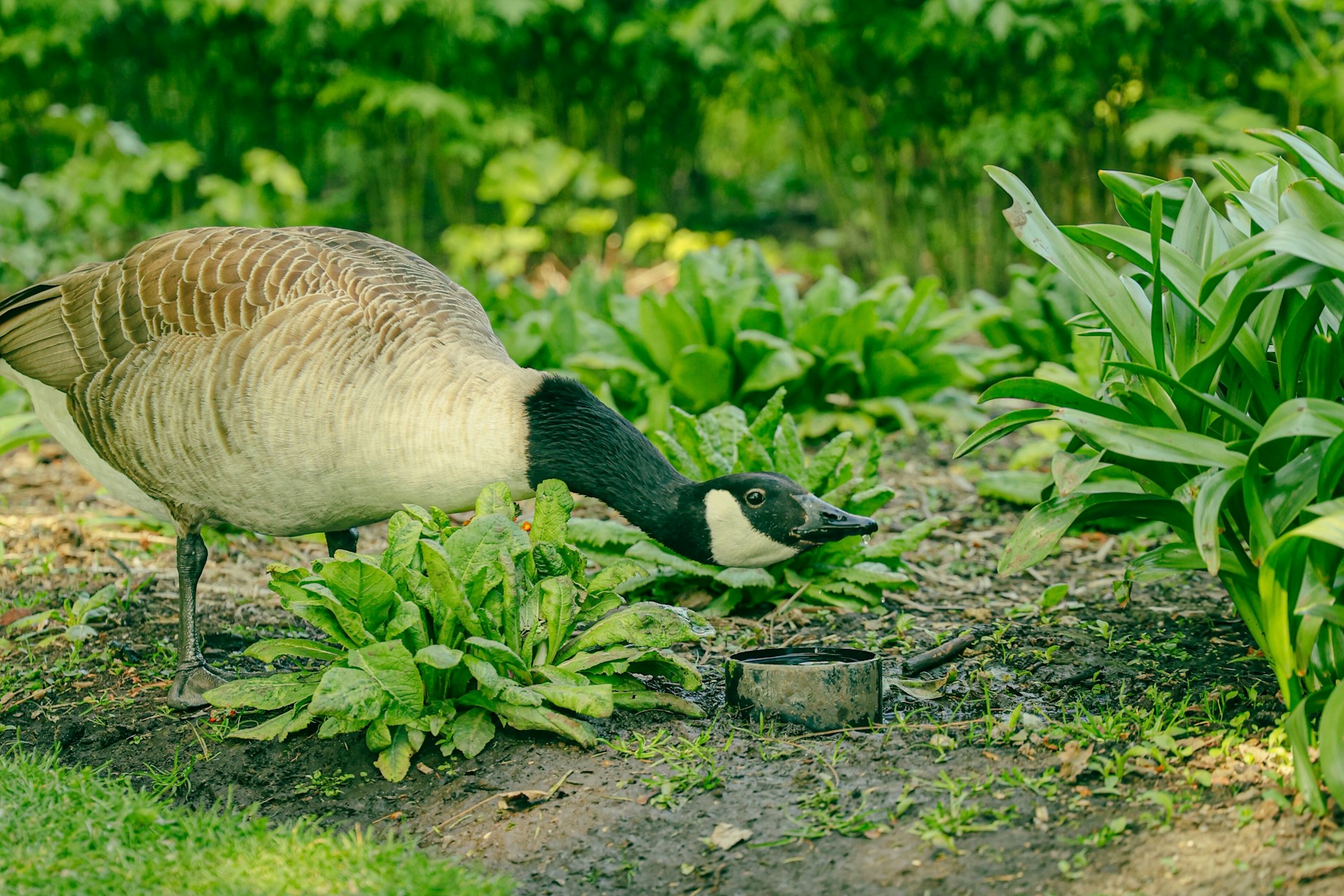
Geese love water—not just for drinking, but also for bathing and socializing. A goose-friendly garden should always include access to clean, shallow water. A small pond, kiddie pool, or DIY water feature can satisfy this need. Be sure to keep it clean and shaded to prevent algae growth and overheating. Not only does water support their hygiene and comfort, but it also enhances your garden’s ecosystem and ambiance.
Provide Shade and Shelter
Like all animals, geese need shelter from extreme weather. Provide shaded areas using trees, shrubs, or garden structures like pergolas or lean-tos. These shaded spots help regulate their body temperature and offer protection from predators or harsh sunlight. If your geese stay outdoors full-time, include a simple coop or shelter where they can rest safely at night. Thoughtful placement of shelters can also contribute to your garden’s visual appeal.
Use Natural Pest Control and Avoid Chemicals
 Since geese will be interacting directly with the garden environment, avoid using pesticides, herbicides, or chemical fertilizers. Instead, embrace natural pest control solutions such as companion planting or using diatomaceous earth in pest-prone areas. Your geese may even help with insects and weeds on their own. Keeping your garden chemical-free supports both your plants’ health and the safety of your flock.
A goose-friendly garden is both a peaceful retreat and a productive landscape when designed with care. By growing safe forage plants, separating grazing areas from delicate crops, and providing access to water and shelter, you can create an environment that supports both your geese and your gardening goals. With balance and thoughtful planning, your backyard can become a thriving, shared space for both feathers and flowers to flourish.…