Tag: Design

Why More Homeowners Are Choosing Spaces That Can Serve Multiple PurposesWhy More Homeowners Are Choosing Spaces That Can Serve Multiple Purposes

0 Comments 12:58 am

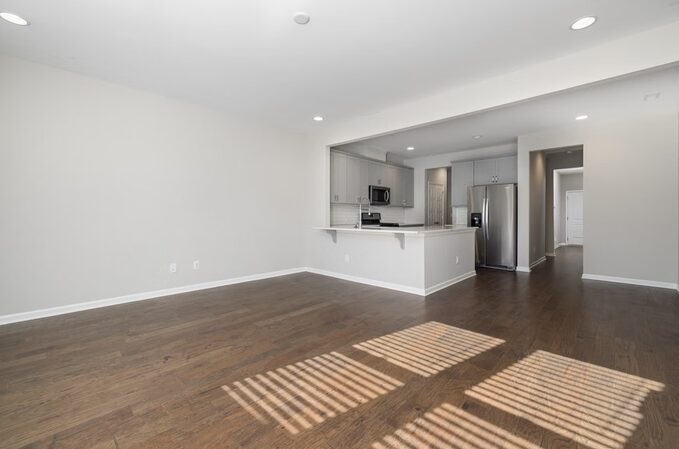
The way people use their homes has changed dramatically over the past few years. A room that once had a single purpose is now expected to support several activities throughout the day. A dining area might double as a workspace, while a guest room could also function as a fitness studio or reading retreat. Instead of adding more square footage, many homeowners are finding creative ways to get more from the space they already have. This shift has made flexible home design one of the most valuable ideas in modern living. Rather than filling a home with rooms that are rarely used, people are creating spaces that can easily adapt to changing routines, growing families, and new priorities.

Flexible Design Makes Every Room More Valuable

The most successful homes are those that evolve with the people who live in them. Creative ideas featured on www.fuersie.de show how adaptable interiors can make everyday living more practical without sacrificing comfort or style. Instead of assigning one permanent purpose to every room, homeowners are discovering that thoughtful design allows a single space to support work, relaxation, hobbies, and family time whenever needed.

Homes Need to Keep up With Changing Lifestyles
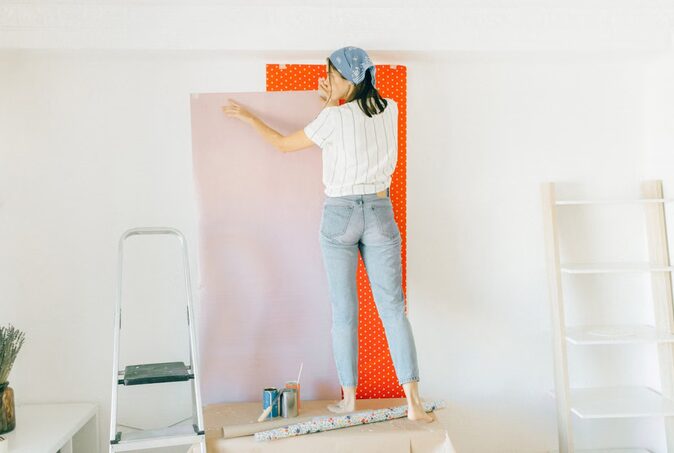
Life rarely stays the same for long. Career changes, growing families, new hobbies, and remote work all influence how people use their homes. A layout that worked perfectly five years ago may no longer meet today’s needs. Multipurpose rooms provide the flexibility to adjust without expensive remodeling. A spare bedroom can become a nursery, an office, or a creative studio depending on what life requires. This ability to adapt helps homeowners enjoy their space for much longer.

Smart Furniture Makes Flexibility Easier

Modern furniture plays an important role in flexible home design. Foldaway desks, extendable dining tables, storage benches, and sofa beds allow one room to serve several functions throughout the day. These practical solutions make it easier to maximize available space while keeping the home organized and comfortable. Instead of feeling crowded, a well-designed multipurpose room remains open, inviting, and easy to use.

Better Space Planning Reduces Daily Stress

An organized home can have a positive impact on everyday life. When rooms are designed to support multiple activities without creating clutter, daily routines become much easier to manage. Simple features such as built-in storage, movable furniture, and clearly defined activity zones help homeowners switch between work, family time, and relaxation with very little effort. Flexible home design is not just about saving space. It is about creating an environment that works more efficiently.

Multi-Purpose Spaces Add Long-Term Value
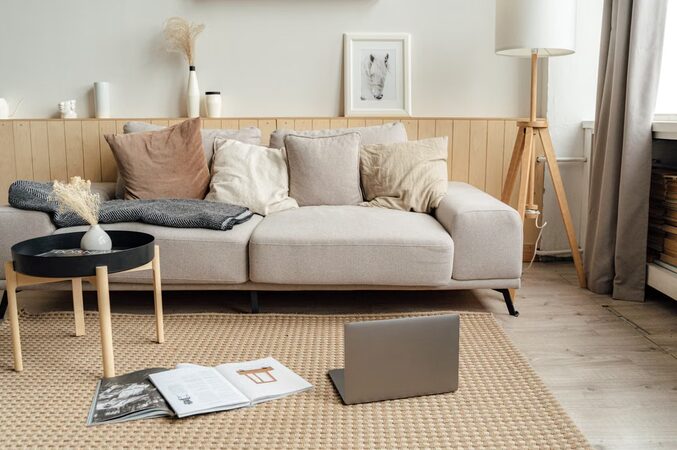
Homes that can adapt to different needs often remain attractive for many years. Buyers appreciate layouts that allow them to personalize rooms without major renovations or structural changes. A flexible home can appeal to first-time buyers, growing families, empty nesters, and even retirees because it offers options rather than limitations. This versatility makes adaptable spaces an investment that continues to provide value over time.

Creativity Helps Homes Feel Bigger

Creating a spacious home is not always about increasing its size. Clever design choices often make existing rooms feel larger and more functional. Open shelving, natural light, sliding doors, and furniture that serves multiple purposes can completely change how a room feels. When every area has the potential to support different activities, homeowners gain more freedom without adding extra square footage. This thoughtful approach allows even compact homes to feel comfortable and efficient.

Multi-purpose spaces are becoming increasingly popular because they reflect the realities of modern living. As lifestyles continue to change, homeowners want flexible spaces that can grow and adapt alongside them. By embracing flexible home design, it is possible to create a home that remains practical, comfortable, and ready for whatever the future brings.…
Designing a Home That Feels Just Right—Inside and OutDesigning a Home That Feels Just Right—Inside and Out

0 Comments 11:36 pm

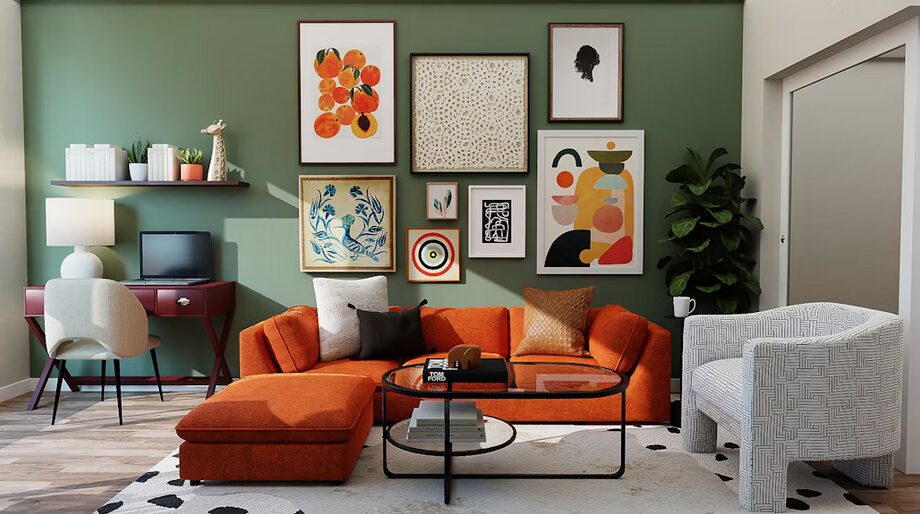
A home isn’t just about walls and furniture—it’s about how a space makes you feel. Whether you’re curling up on the couch or relaxing on the patio, every part of your home should reflect your personality and lifestyle. Great design doesn’t stop at the front door, and creating a seamless flow between indoor and outdoor spaces can turn a house into a haven. The good news? You don’t need to be a professional designer to make it work. With a few thoughtful choices, your home can feel complete from the inside out.

Find Harmony Between Indoor and Outdoor Styles

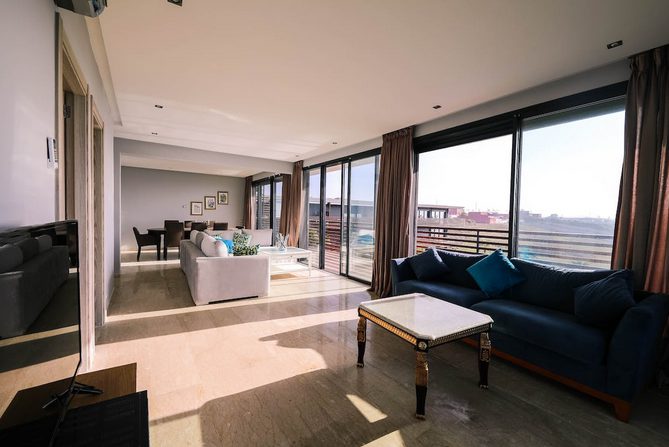
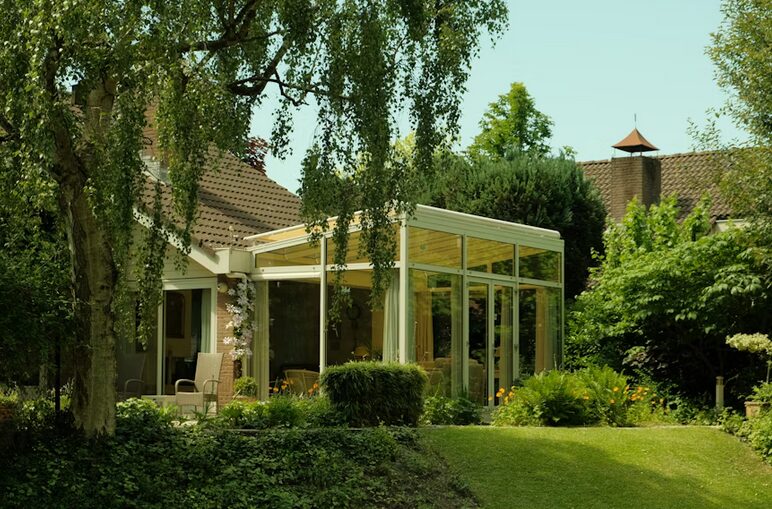
glass room

One of the easiest ways to make your home feel cohesive is to find design elements that tie your interior and exterior spaces together. Whether it’s a shared color palette, similar materials, or repeating patterns, these small touches help create visual consistency. For example, if your living room features natural wood accents and earthy tones, echoing those choices in your patio furniture or planters can subtly connect the two areas. Understanding the key differences between exterior and interior design—like how weather durability matters more outside, while comfort and texture are more central indoors—can help guide your decisions without compromising style or function.

Use Lighting to Set the Mood

Lighting is one of the most powerful tools in design, and it works its magic both inside and out. Indoors, layered lighting like floor lamps, pendant lights, and dimmers can create a cozy and flexible atmosphere. Outdoors, string lights, solar path lights, or wall sconces can turn a simple yard into a relaxing evening escape. The goal is to keep things warm and inviting throughout the whole property. Think about how the lighting in your dining room flows into the view of your backyard at night—it’s those little details that make a big difference.

Don’t Forget Functionality

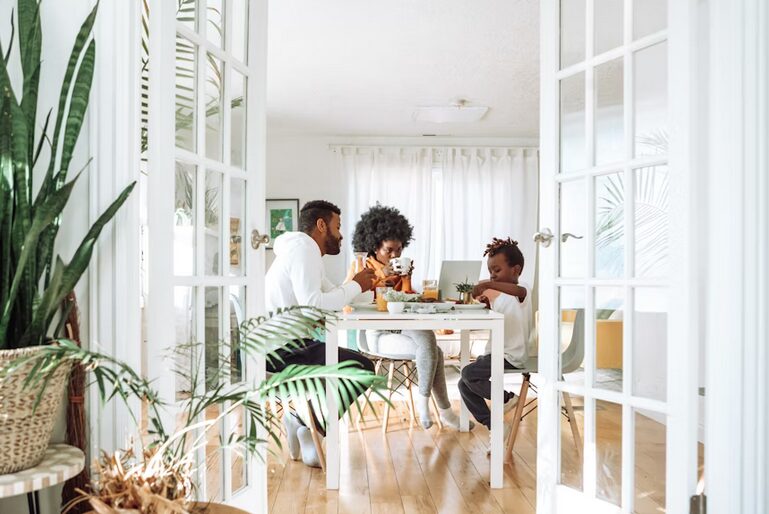
family sitting at dining room

Beautiful design is only half the equation; your home also needs to work for your day-to-day life. Inside, that might mean having enough seating for guests, storage that’s easy to access, or a layout that makes sense for how you live. Outside, functionality can mean weather-resistant materials, shaded areas, or easy access to the kitchen when you’re hosting a barbecue. Design isn’t just about looks—it’s about making your home more livable and enjoyable.

Let Nature Be Part of the Design

Blurring the line between indoors and outdoors can create a peaceful, grounded feeling throughout your home. Consider large windows, sliding doors, or indoor plants that connect you visually and physically to the outdoors. On the flip side, bringing natural elements into your yard—like stone paths, wooden accents, or water features—can make your outdoor spaces feel more like an extension of your living room. This integration of nature helps your entire home feel more balanced and welcoming.

Add Personal Touches That Bring It All Together

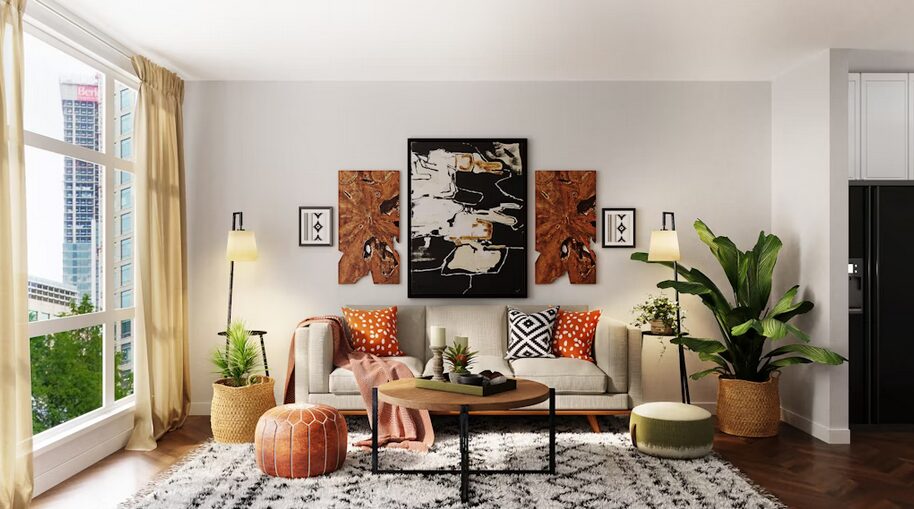
personal touches

The best homes are the ones that feel lived in and loved. Whether it’s family photos in the hallway, a handmade bench on the porch, or a colorful rug that reminds you of a favorite trip, your personal style should be reflected throughout your space. Adding meaningful touches indoors and outdoors doesn’t just make your home look good—it makes it feel like you. That sense of comfort and authenticity is something guests notice instantly, and it’s what turns a house into a true home.

Designing a home that feels “just right” isn’t about following trends or copying a magazine spread—it’s about creating a space that reflects who you are and how you live. When you pay attention to both the inside and outside of your home, and how they relate to each other, you end up with a space that flows, functions, and feels amazing. Whether you’re renovating or just refreshing a few areas, keep the big picture in mind—and make sure your home tells your story, from every angle.…

Architectural Statements: Stylish Roofing Choices for Your Prefab ParadiseArchitectural Statements: Stylish Roofing Choices for Your Prefab Paradise

0 Comments 11:15 pm

As you embark on your journey to create a dreamy abode, it’s essential to consider every detail that will elevate your humble dwelling into a true work of art. And what better place to start than with the roof? In today’s blog post, you’ll learn some fascinating roofing choices that not only add aesthetic appeal but also enhance functionality.

From living roofs adorned with succulents to sleek solar panel integration and reflective, cool roofs, let’s dive into these remarkable options that will transform your prefab paradise from ordinary to extraordinary.

Living Roofs With Succulents

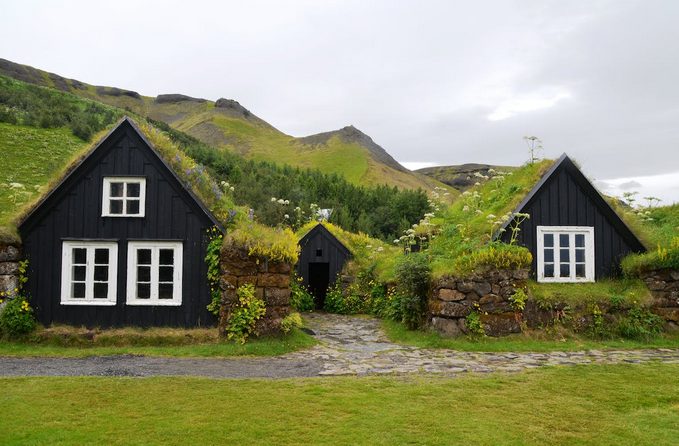
green roof

Imagine a roof adorned with vibrant green succulents, creating a living tapestry that adds beauty and life to your prefab paradise. Living roofs have become increasingly popular in recent years, not only for their stunning visual appeal but also for their myriad of environmental benefits. Succulents are the perfect choice for these rooftop gardens, as they don’t need fancy, complicated maintenance and can totally withstand harsh weather conditions.

But the benefits don’t end there. These living roofs act as natural insulators, keeping your home super comfortable both in the summer and winter months. They also absorb rainwater, reducing stormwater runoff and minimizing the strain on local drainage systems.

Sleek Solar Panel Integration

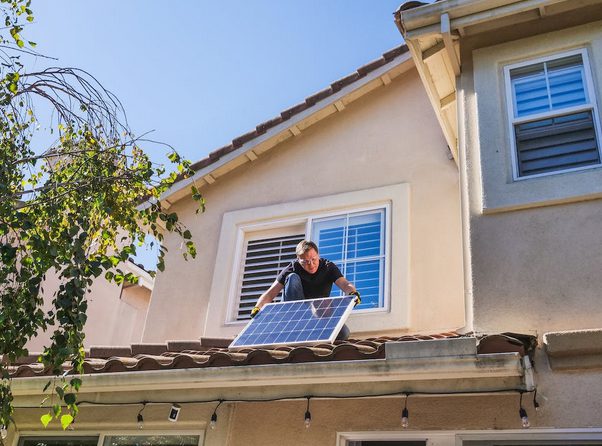
Gone are the days of clunky and unsightly solar panel installations. With advancements in technology, solar panels can now be seamlessly integrated into the roof structure, creating a sleek and modern look.

Imagine a prefabricated home with a minimalist design aesthetic. Now, picture this same home with solar panels discreetly embedded into its roofing system. The result is not only visually stunning but also environmentally friendly.

solar panels

Metal Standing Seam Roofing

Metal standing seam roofing is also a stylish and durable choice for your prefab paradise. With its completely sleek design and clean lines, it can give your home a modern and contemporary look. The metal panels are installed vertically with raised seams that interlock with one another in order to create a watertight seal.

Experts from Proplanta believe that this roofing option is best suited for almost any type of prefab home. But why? Well, thanks to their longevity, metal roofs can last up to 60 years or even more with proper maintenance. It’s not such a great long-term investment.

Reflective Cool Roof

reflective

If you’re looking for a roofing option that not only looks great but also helps keep your home cool, then a reflective, cool roof might be just what you need. A reflective, cool roof is made with materials that have high levels of solar reflectance and thermal emittance properties.

This means that they can reflect more sunlight away from your home, minimizing heat absorption and keeping the interior temperature lower. Not only does a reflective, cool roof help keep your home cooler, but it also has environmental benefits. By reducing heat absorption, these roofs can help prevent the urban heat island effect in super-densely populated areas.

When selecting roofing materials for your prefab paradise, consider both style and functionality. Explore various options like living roofs with succulents or sleek solar panel integration that align with your vision while providing practical benefits for years to come.…

Finding a Good ArchitectFinding a Good Architect

0 Comments 1:26 am

Finding a good architect sounds like a pretty easy and straightforward process. However, sometimes it is not like that. Of course, you can always go and hire just any architect. But, how do you find a good architect? When it comes to finding a good professional, you need to take some things into consideration. Obviously, one of the most important things to think about is the cost. And another thing that you should think about is the person that you would like to work with.

If you hire a reputable person like prashanth mahakali, pmpc architects, you will be satisfied with the results and theworking overall experience. So, take your time and interview the person. Continue reading to learn about what things you should ask about during the interview session.
The Architect’s Interest in the Project

Even though it seems pretty evident that the architect is interested in your project, you should ask them if they really are. This should be one of the first things that you ask the person. It will give you the ability to see if the architect is ready or willing to take on your project.

Are They Too Busy

Architects usually work as long as the sun shines. So, it is hard to find an architect that will decline your job offer. However, you should ask the architect about if they have any other projects that they are currently working on and if they have any staff members working with them. After all, it is very hard to work on too many projects at the same time.

Is the Person That You Are Interviewing the Same Person That is Going to Work on the Project

You should ask the person that you are interviewing if they are the actual architect that will work on your project, or if they are just some kind of a manager that has their own workers. This is very important because you are probably going to directly communicate with the actual architect during the work process, so you need to make sure who that person really is.

The Availability of the Architect

ArchitectAnother thing that you should ask the architect about is their availability for interview sessions. You are probably going to want to have meetings with the architect at least once every week. Asking the architect about this is going to ensure that you know if you will actually be able to meet with the architect when you want to meet with them. There are many more things that you can ask the architect about. However, these are some of the most important things to ask about.

 …