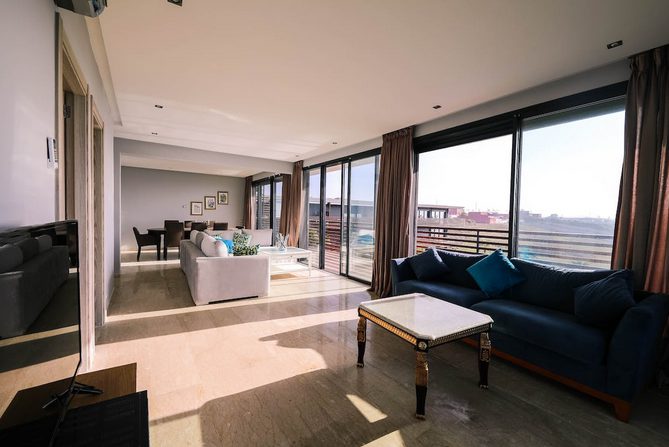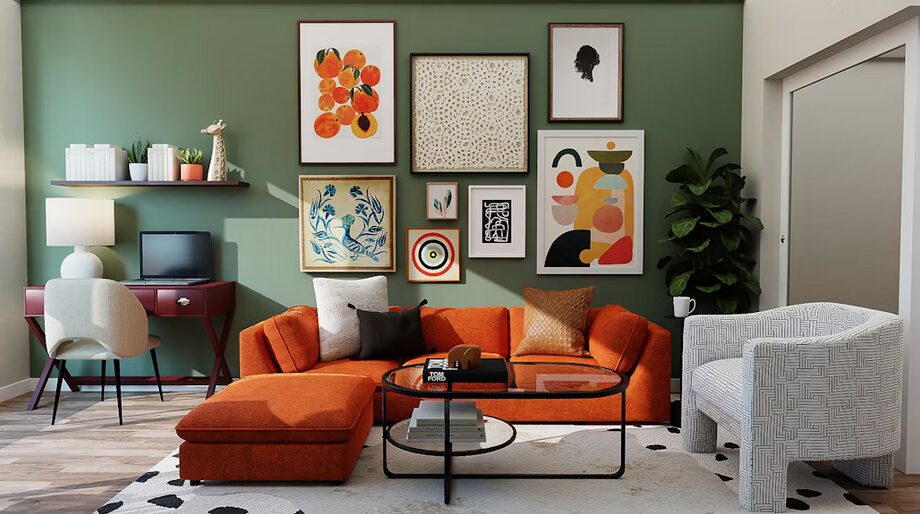
A home isn’t just about walls and furniture—it’s about how a space makes you feel. Whether you’re curling up on the couch or relaxing on the patio, every part of your home should reflect your personality and lifestyle. Great design doesn’t stop at the front door, and creating a seamless flow between indoor and outdoor spaces can turn a house into a haven. The good news? You don’t need to be a professional designer to make it work. With a few thoughtful choices, your home can feel complete from the inside out.
Find Harmony Between Indoor and Outdoor Styles
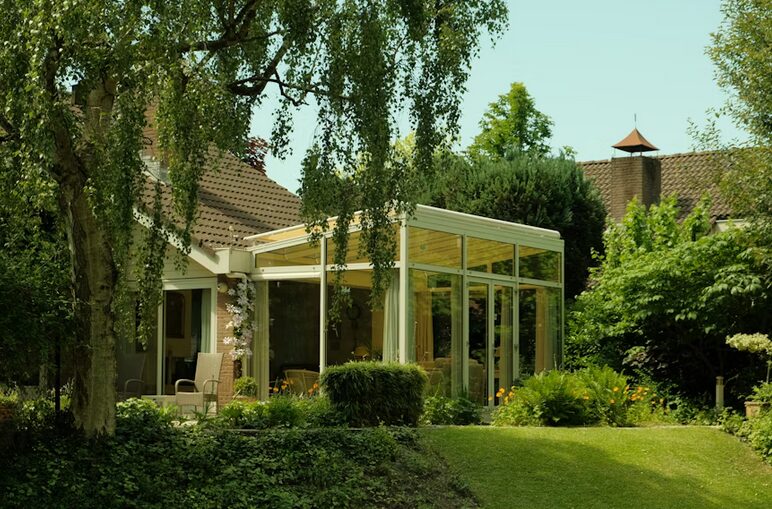
One of the easiest ways to make your home feel cohesive is to find design elements that tie your interior and exterior spaces together. Whether it’s a shared color palette, similar materials, or repeating patterns, these small touches help create visual consistency. For example, if your living room features natural wood accents and earthy tones, echoing those choices in your patio furniture or planters can subtly connect the two areas. Understanding the key differences between exterior and interior design—like how weather durability matters more outside, while comfort and texture are more central indoors—can help guide your decisions without compromising style or function.
Use Lighting to Set the Mood
Lighting is one of the most powerful tools in design, and it works its magic both inside and out. Indoors, layered lighting like floor lamps, pendant lights, and dimmers can create a cozy and flexible atmosphere. Outdoors, string lights, solar path lights, or wall sconces can turn a simple yard into a relaxing evening escape. The goal is to keep things warm and inviting throughout the whole property. Think about how the lighting in your dining room flows into the view of your backyard at night—it’s those little details that make a big difference.
Don’t Forget Functionality
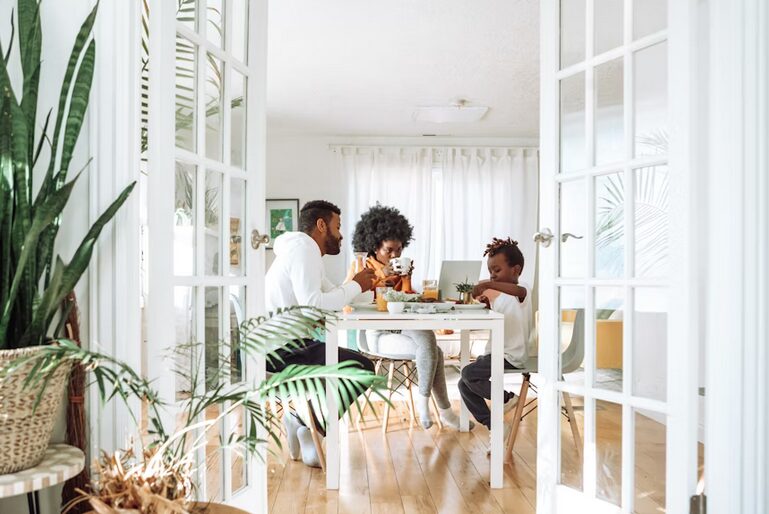
Beautiful design is only half the equation; your home also needs to work for your day-to-day life. Inside, that might mean having enough seating for guests, storage that’s easy to access, or a layout that makes sense for how you live. Outside, functionality can mean weather-resistant materials, shaded areas, or easy access to the kitchen when you’re hosting a barbecue. Design isn’t just about looks—it’s about making your home more livable and enjoyable.
Let Nature Be Part of the Design
Blurring the line between indoors and outdoors can create a peaceful, grounded feeling throughout your home. Consider large windows, sliding doors, or indoor plants that connect you visually and physically to the outdoors. On the flip side, bringing natural elements into your yard—like stone paths, wooden accents, or water features—can make your outdoor spaces feel more like an extension of your living room. This integration of nature helps your entire home feel more balanced and welcoming.
Add Personal Touches That Bring It All Together
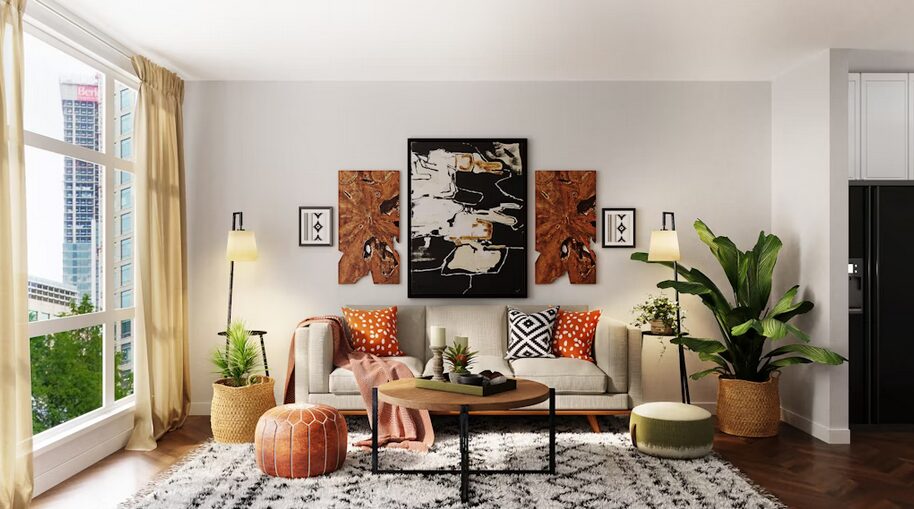
The best homes are the ones that feel lived in and loved. Whether it’s family photos in the hallway, a handmade bench on the porch, or a colorful rug that reminds you of a favorite trip, your personal style should be reflected throughout your space. Adding meaningful touches indoors and outdoors doesn’t just make your home look good—it makes it feel like you. That sense of comfort and authenticity is something guests notice instantly, and it’s what turns a house into a true home.
Designing a home that feels “just right” isn’t about following trends or copying a magazine spread—it’s about creating a space that reflects who you are and how you live. When you pay attention to both the inside and outside of your home, and how they relate to each other, you end up with a space that flows, functions, and feels amazing. Whether you’re renovating or just refreshing a few areas, keep the big picture in mind—and make sure your home tells your story, from every angle.